
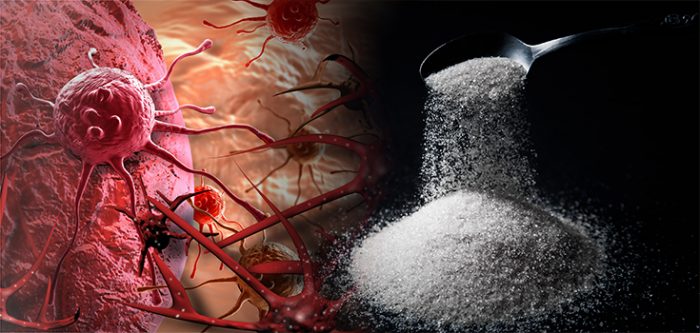
Cancer and Sugar
The Facts
UGH article, 2026
Cancer and Sugar
Cancer feeds on sugar - Myth or Fact?
There is a lot of misinformation around cancer and the role of sugar.
There’s no evidence that following a “sugar-free” diet
lowers the risk of getting cancer, or that it boosts the chances of surviving if you are diagnosed.
One of the most misunderstood topics in the complex interplay of food, obesity, and cancer is sugar.
You may have heard, or read, that cancers feed on sugar.
The internet is full of misrepresentations and half-truths that lead many people to incorrectly believe that sugar directly causes cancer – even that cancer can be prevented or treated by cutting off sugar to “starve” the cancer cells.
Cancer Research UK experts say, “There’s no evidence that following a “sugar-free” diet lowers the risk of getting cancer, or that it boosts the chances of surviving if you are diagnosed.”
The idea that sugar directly causes or accelerates cancer growth is a myth. While all cells (including cancer cells) rely on glucose for energy, completely eliminating sugar from your diet will not starve cancer cells. If you restrict sugar, cancer cells will simply adapt by consuming other energy sources, for example amino acids and fats.
Dr. Santosha Vardhana, MD, PhD, is a physician-scientist at Memorial Sloan Kettering Cancer Center (MSK) who treats people with lymphoma and studies how cells use nutrients.
Dr. Vardhana says, “There is a clear link between obesity and several forms of cancer. And eating too much refined sugar in highly processed foods can lead in the long term to health issues, including obesity, that put you at higher risk of cancer. But if you starve yourself of sugar, will you strongly reduce your risk of cancer? The short answer is no.”
Busting the Myths
- Myth: Sugar Directly Feeds Cancer:
The myth originates from a misunderstanding of how cancer cells use glucose, but giving more sugar to your body does not make cancer cells grow faster. - Myth: You Can Starve Cancer by not eating sugar:
You cannot selectively choose to deprive cancer cells of sugar while giving it to healthy cells. Cutting out all carbohydrates and sugars can actually cause dangerous weight loss, malnutrition, and stress during treatment. - Where the Myth Comes From:
The misconception largely stems from positron emission tomography (PET) scans. These scans use a radioactive tracer made of glucose, which is absorbed at higher rates by metabolically active tissues like tumors. This highlights how cancer cells use energy, but does not mean dietary sugar feeds the tumor directly.
What does cause cancer?
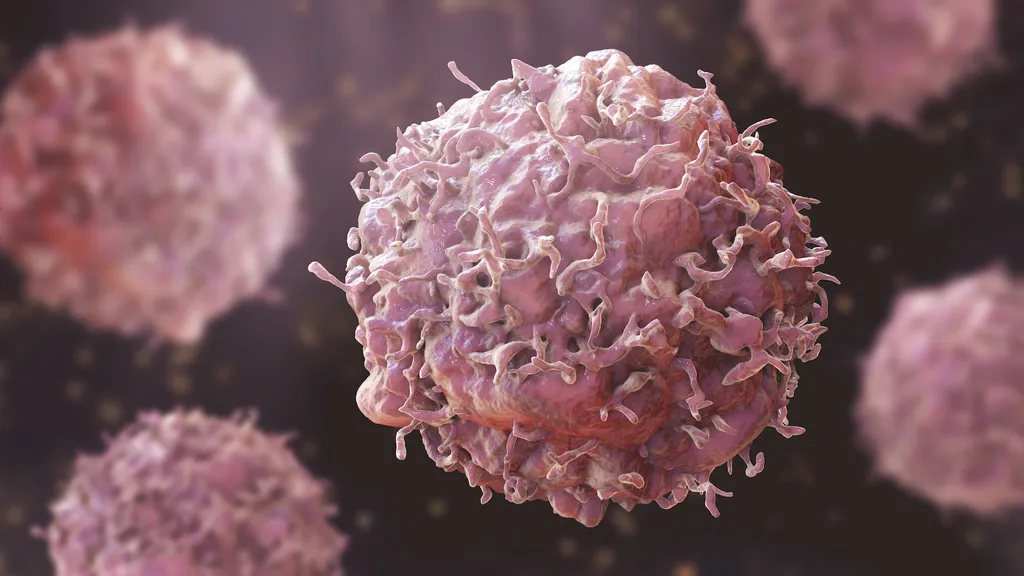
(Image credit: KATERYNA KON/SCIENCE PHOTO LIBRARY via Getty Images)
Cancer occurs because a cell in your body grows out of control with no guidance from your DNA, like a car that just keeps speeding up. Environmental factors and diet can play a role. But it is more commonly caused by known carcinogens like ultraviolet light, radiation, smoking, or alcohol, and sometimes it's just bad luck. Essentially, there is not always a specific cause.
“What is the difference between sugar and glucose?”
Sugar is a general term for all sweet carbohydrates. Glucose is a specific type of simple sugar.
To understand the difference in sugars, imagine that sweet carbohydrates (sugars) are CARS; now imagine that the different types of sugars are like different types of car. Glucose, then, is ONE TYPE of sugar; it is the most basic type. We call it ‘blood sugar’, because it is the sugar our bodies - and all animals’ bodies - need to function. It is also the definition of ‘carbohydrate’ (literally, watered carbon).
Here is some more detailed information on carbohydrates (Carbs) and sugars.
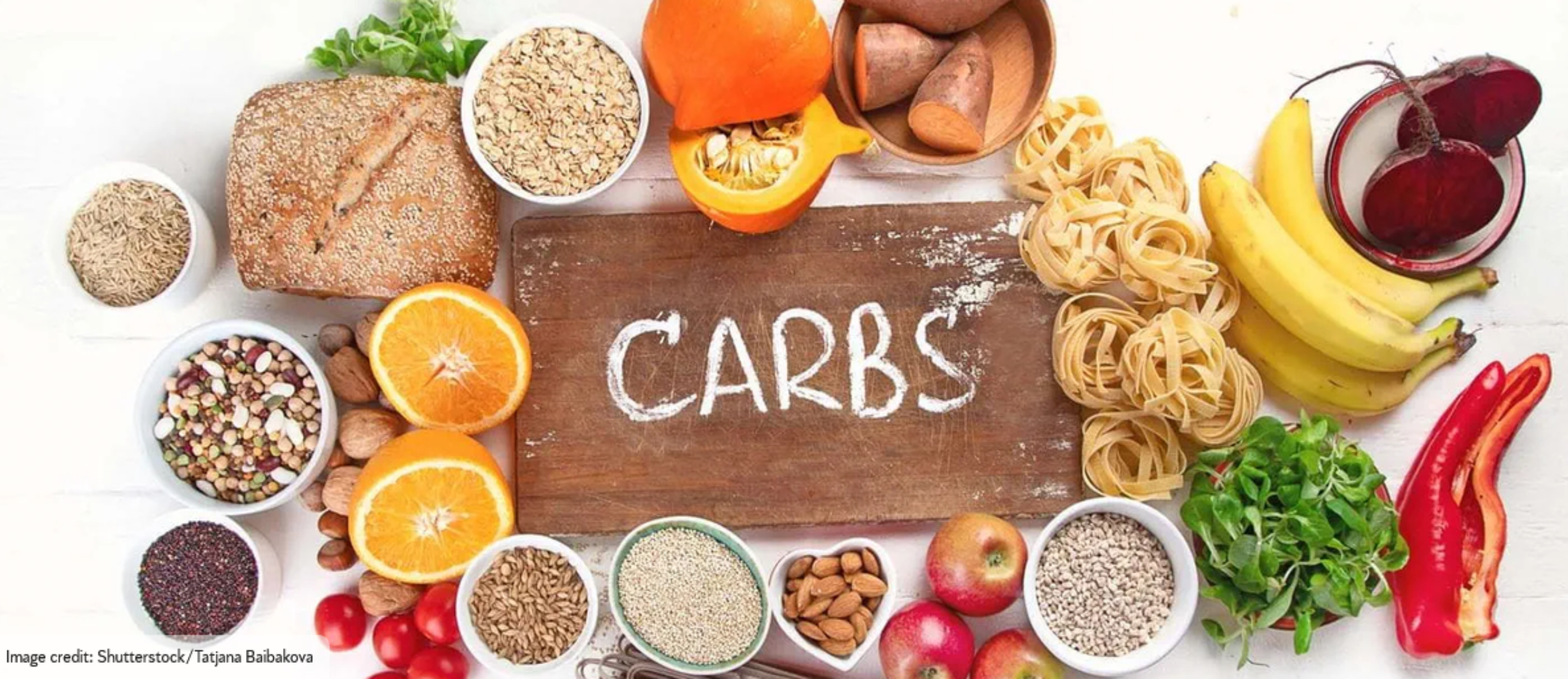
ALL carbohydrates are ‘converted’ to glucose by our digestive systems; as well as some proteins and fats (we get a LOT more glucose from carbs - but if you eat NO carbs, you’ll still get enough glucose from the proteins and fats you eat). Carbohydrates are a non-essential food; even though they are not “essential”, carbohydrates are still very important. Whole-food carbs like vegetables, fruits, and oats provide vital fiber for gut health and essential micronutrients you cannot easily get from other foods.
What we refer to as ‘blood sugar’ is the sugar glucose. There are types of sugars - glucose is just one of them. It is a monosaccharide and is the most basic form of carbohydrate.
“Carbohydrate” means ‘hydrated carbon’, or watered carbon. Glucose is comprised of 6 carbon molecules (C) plus 6 water molecules (H2O), as follows. 6xC=C6; 6xH2O = H12O6; for a total of C6H12O6. ALL carbohydrates are some variation on this theme of carbon and water (Carbon, plus Hydrogen and Oxygen).
“Monosaccharide” means a “single sugar”… and it cannot be “broken down” any further, which is why glucose is the simplest sugar - along with two others that have the same formula (but different bonds holding the atoms together in a slightly different shape): fructose (fruit sugar) and galactose (milk sugar). Since these sugars are the same basic components as glucose - they are converted to glucose readily. From there come the disaccharides....
Disaccharides. Or simply put - double sugars. These are formed when two monosaccharides combine (which they do readily). The disaccharides primarily include sucrose (table sugar), maltose and lactose; other, less common forms, are lactulose, trehalose, and cellobiose. ALL disaccharides have the chemical formula C12H22O11 - which is the molecules of two monosaccharides, minus one water molecule: 2(C6H12O6) = C12H24O12, less H2O = C12H22O11.
From there it gets a lot more complicated… but in short, all carbohydrates can “chain together” to form long chains and/or rings of these CHO groups (known as carbonyl and hydroxyl groups, depending on the bonds and structure) and all are readily broken down into glucose. From the disaccharides come the polysaccharides (“many sugars”), and they can become very complex - but, they are stillsimply groupings of the same atoms of C, H and O.
ALL PLANTS are made up of carbohydrates - especially once they have been ‘processed’ them into breads, pasta, french fries, rolls, rice teriyaki, and so on. They ultimately are nothing more than long chains of sugar molecules.
Therefore, carbohydrates are essentially sugar – even the slightly more complex versions (like corns, potatoes, rice and so on). ALL grain-based products are carbohydrates. These are all quickly ‘converted’ to glucose by our digestive systems.
Proteins and fats, on the other hand, must be processed more by our body to get glucose out of them – through a process called gluconeogenesis “creation of new sugar”. This process requires much more time than carbs to get glucose from fats and proteins – and we get a lot less from them than from the same amount of carbs.
Glucose - the fuel of life
There is a common myth that sugar is responsible for cancer developing, or that it even fuels cancer to grow bigger. But this myth came from an over-simplification of some complicated biology.
To see why the myth came about, let's look at what sugar actually is.
Sugar comes in many different forms. The simplest ones are single molecules like glucose or fructose, a couple of sugars you might have heard of.
These molecules of simple sugars can stick together. For example, one glucose molecule sticking to one fructose molecule becomes sucrose - also known as table sugar.
Combinations of these molecules can add up into long chains that make up complex sugars, often referred to as carbohydrates. These are our body's main source of energy.
As chains of sugar get longer, they lose their sweet taste. These chains are called polysaccharides, and are a large component of starchy foods like rice, bread, pasta, and potatoes.
So, while some foods may not taste sweet, they can still contain sugar in a complex form. And this is good, because our bodies can break down complex sugars into simple sugars like glucose and use it for fuel.
Our body is made of millions of cells, and each type of cell has a different job - from muscle cells that help us move, to nerve cells that help us feel.
While their jobs in the body may differ, one thing all these cells have in common is that they need energy to survive and perform their duties. They get this energy from a molecule called ATP, which they make by breaking down glucose in a complex chemical process called glycolysis.
So, glucose is the basic fuel that powers every single one of our cells.
Read our Article:-
Sugar, The Facts
If we eat or drink things that are high in glucose, such as fizzy drinks, the glucose gets absorbed straight into our blood ready for our cells to use. If a starchy food, like pasta, is on the menu, the enzymes in our saliva and digestive juices break it down and convert it into glucose. And if for some reason there's no carbohydrate in our diet, cells can turn fat and protein molecules into glucose as a last resort, because they need it to survive.
It's here that sugar and cancer start to collide, because cancer is a disease of cells.
Sugar and cancer
Cancer cells usually grow quickly, multiplying at a fast rate, and that requires a lot of energy. That means they need lots of glucose.
Here's where the myth that sugar fuels cancer was born; if cancer cells need lots of glucose, then cutting sugar out of our diet must help stop cancer growing, and could even stop it developing in the first place, right?
Unfortunately, it's not that simple. All of our healthy cells need glucose too, and there's no way of telling our bodies to let healthy cells have the glucose they need without also giving it to cancer cells. And cancer cells also need lots of other nutrients too, like amino acids and fats; it's not just sugar they crave.
There's no evidence that following a “sugar-free” diet lowers the risk of getting cancer, or that it boosts the chances of surviving if you are diagnosed.
And following severely restricted diets with very low amounts of carbohydrate could damage health in the long term by eliminating foods that are good sources of fibre and vitamins.
A healthy food based balanced diet is particularly important for cancer patients, because some treatments can result in weight loss and put the body under a lot of stress. So poor nutrition from restrictive diets could also hamper recovery, or even be life-threatening.
Good Carbs, Bad Carbs
Good carbs are unprocessed and full of fiber, whilst bad carbs are highly processed and stripped of nutrients. To choose wisely, prioritize Healthy Carbs like whole grains, vegetables, and fruits, while limiting Refined Carbs like white bread, sugary drinks, and packaged snacks.
Good Carbs (Complex Carbs)
Good carbs are complex. They are made of long chains of sugar molecules that take a long time for your body to break down.
- Why they are good:
They are packed with dietary fiber. Fiber acts like a slow-release sponge, letting sugar enter your bloodstream gradually. This gives you steady energy and keeps you full. - Where to find them:
Unprocessed foods like whole grains (quinoa, oats), legumes (beans, lentils), starchy vegetables (sweet potatoes), and whole fruits.
Bad Carbs (Simple and Refined Carbs)
Bad carbs are simple or refined. Their natural fiber and nutrients are stripped away during manufacturing.
- Why they are bad:
Because they lack fiber, your body digests them almost instantly. This causes a sharp spike in blood sugar followed by a sudden crash, making you feel tired and hungry very soon after eating. - Where to find them:
Highly processed foods like white bread, white pasta, sodas and sugared drinks, pastries, and candy.
The ‘Log Fire’ and ‘Rollercoaster’ Effect
Think of good carbs as a log burning in a fireplace. It catches slowly, but it provides a steady, warm fire for hours.
Think of bad carbs as the rollercoaster climbing rapidy to its peak, and then suddenly rushing down at speed.
The expectation and exhilaration produced by eating bad carbs is the same as the rollercoaster ride, but sudden climb and downhill rush causes sugar cravings and can lead to overeating.
Diet and Cancer Treatment
During cancer treatment, maintaining your strength and preventing weight loss is the top priority.
Memorial Sloan Kettering Cancer Center, Christina Stella: As dieticians, we’re very focused on the needs of each individual. Some people find eating and drinking so challenging during treatment because of side effects such as nausea and fatigue that we will take two chocolate chip cookies over nothing at all.
Restrictive diets can cause unnecessary stress and malnutrition.
MD Anderson Cancer Center: Experts advise eating natural, unprocessed sugars found in natural fruits and whole grains rather than refined, added sugars from candy and baked goods.
Every cell in the human body requires energy to function, and glucose – derived from carbohydrates – is a primary energy source. However, cancer cells are unique in their energy demands and metabolism. Not only do they require more glucose than healthy cells, but they also metabolize it at a much faster rate1.
This phenomenon, known as the Warburg effect, describes how cancer cells reprogram their metabolism to rapidly break down sugar. This process supports their growth, survival, proliferation, and long-term maintenance. The Warburg effect was first described by Nobel Prize winner Dr. Otto Warburg, who discovered that tumors consume far more glucose than surrounding healthy tissue. Intriguingly, cancer cells can ferment glucose into lactate even in the presence of oxygen – a process called aerobic glycolysis – which is different from how normal cells generate energy1.
The Warburg Effect
The Warburg effect, or aerobic glycolysis, is the observation that cancer cells rapidly consume massive amounts of glucose and convert it into lactate, even when sufficient oxygen is present. While highly inefficient for energy (ATP) production, this metabolic shift fuels rapid cell growth by providing essential building blocks for making new cells
The Warburg effect is a unique feature of cancer cells. It describes how they consume massive amounts of sugar (glucose) and break it down to create energy. They do this even when plenty of oxygen is available.
Usually, cells use a very efficient method with oxygen to generate energy. Cancer cells ignore this and rely on a less efficient process called glycolysis.
Why do cancer cells do this?
- Speed: Glycolysis is much faster than the normal, oxygen-using process. Even though it yields less energy, cancer cells get the energy they need by consuming a much larger amount of sugar.
- Building Blocks: The broken-down sugar acts like tiny Lego pieces. Cancer cells use them to build new cells and multiply quickly.
- Survival: The byproduct of this process is lactic acid. This acid creates a hostile environment around the tumor that helps the cancer hide from your immune system.
Doctors use the Warburg effect to find tumors. A medical imaging test called a PET scan uses a special type of radioactive sugar. Patients drink a safe, radioactive sugar. Because cancer cells love sugar, they light up brightly on the scan. Researchers are also trying to create new drugs that target this process to “starve” cancer cells.
Conclusion
The link between sugar and cancer is often misunderstood. Experts confirm that while cancer cells use sugar (glucose) for energy, eating sugar does not directly cause cancer or fuel tumor growth. However, high-sugar diets cause indirect risks like weight gain, inflammation, and insulin resistance, which can elevate cancer risk over time.
It is essential to distinguish between natural sugars found in whole fruits and vegetables and processed sugars added to foods. Natural sources of carbohydrates, such as those in fruits and vegetables, come packaged with antioxidants and other nutrients that help fight cancer. In contrast, processed sugars are stripped of these beneficial compounds and are more likely to contribute to disease. [1]
Find more information on Obesity at Natural Health Evidence Based.org, Article - Obesity
Whatever your medical condition, if in health, or illness, experts highly recommend maintaining a healthy diet; a healthy balanced diet is of the utmost importance. In health, a balanced diet will help to promote and maintain that health; in illness, a balanced diet will aid recovery.
Find more information on Diet at Natural Health Evidence Based.org, Article - Diet
Medical Consensus: Does Sugar “Feed” Cancer?
Many people believe that completely cutting out sugar will “starve” cancer cells. Biologically, this is not possible.
Stanford Report: “The reality is that all cells use sugar as a fuel source.” Both healthy cells and cancer cells rely on glucose to function. If you cut off dietary sugar, your body will simply convert protein and fats to produce it.
Cancer Research UK: “There's no evidence that cutting carbohydrates from our diet will help treat cancer.” Cancer cells are resourceful and will find alternative fuels like amino acids or fatty acids if glucose is scarce.
The Real Risk: Insulin and Inflammation
Medical professionals highlight that the true danger lies in how high-sugar diets affect your hormones and overall metabolism.
American Cancer Society: “Eating or drinking too much added sugar can lead to excess body weight and chronic inflammation.” Excess body weight is linked to 13 types of cancer, and chronic inflammation also promotes tumor development.
Dr. Lewis Cantley, a prominent cancer researcher, has taken a personal stand against added sugars. He explains, “I have a very simple rule. I eat fruit, but I don’t eat anything that has sugar added to it. And I guarantee everybody would be better off if they ate zero sugar”.
[1] Dr. Cantley and his team at Weill Cornell Medicine have found that excess sugar consumption accelerates the growth of many types of cancer.
References
The Lowdown on Sugar and Cancer: MSK Experts Look at the Evidence. Memorial Sloan Kettering Cancer Centre — April 10, 2025
Sugar and cancer – what you need to know. Cancer Research UK — August 2023
Should cancer patients avoid sugar? 5 things to know. University of Texas MD Anderson Cancer Center — April 2024
The Relationship Between Sugar and Cancer: What Science Reveals. United Diagnostic services LLC — UDS Health Clinical Review Team, May 27, 2025